
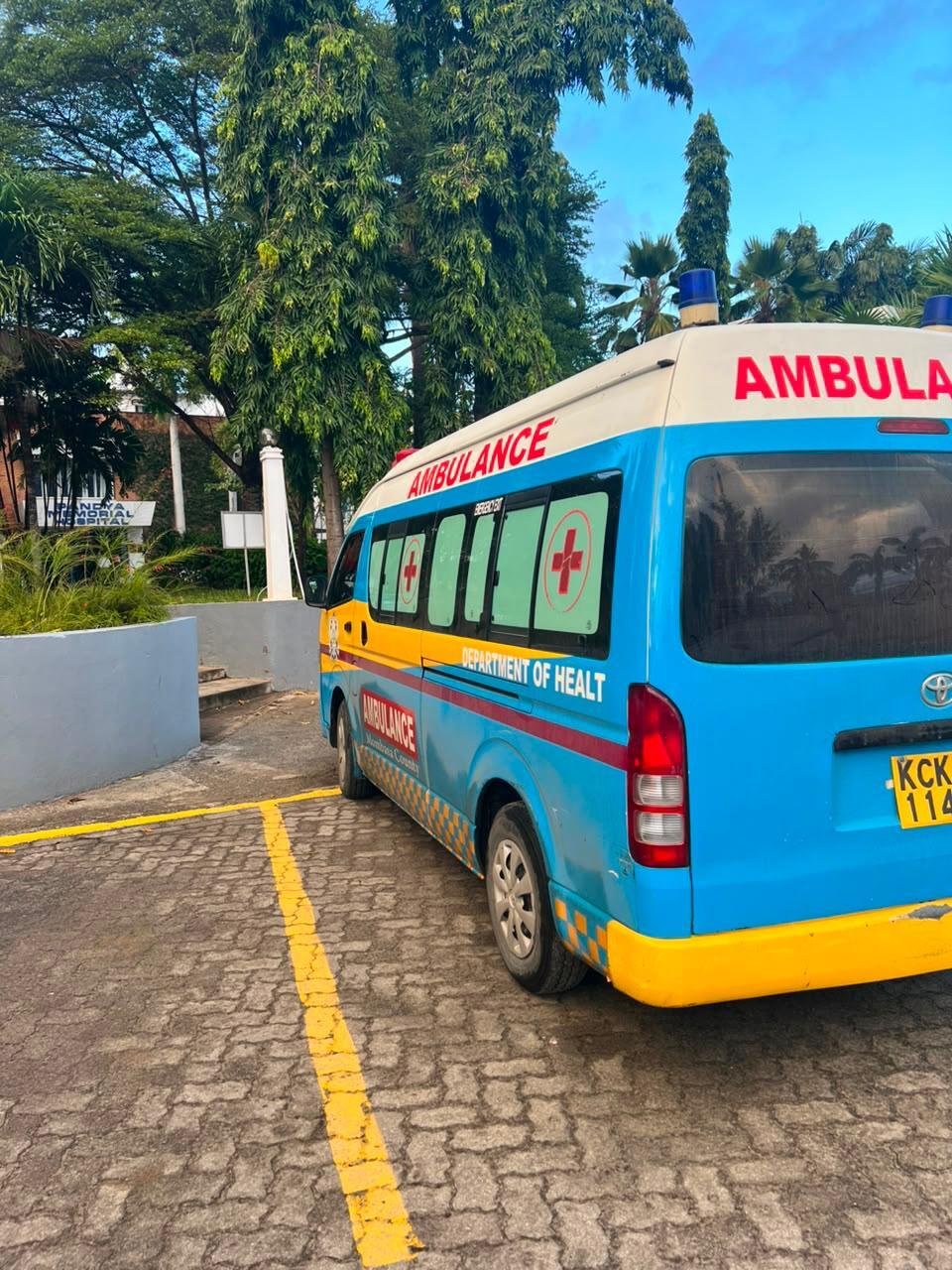
When complications arise during pregnancy or childbirth, time is everything. A delay of even a few minutes can determine whether a mother or newborn survives. In Kenya, referral systems are meant to connect women and newborns to the right level of care when complications occur. In practice, these systems are often fragmented. Patients can be transferred without coordination, facilities can be unprepared to receive them, and when the breakdowns happen, there is little visibility into why.
Over the past three years, counties participating in the Kenya Quality Ecosystem Project (Mombasa, Kisii, and Makueni) have taken important steps to change, improve, and implement better referral systems. The KQE project has supported the counties to strengthen the systems around referrals: how risks are identified, how decisions are made, how patients are moved, and how facilities respond.
Referrals begin before emergencies
Through PROMPTS, our AI-enabled SMS platform, pregnant and postpartum women receive timely health information that helps them recognize danger signs and seek care early throughout pregnancy and after birth. PROMPTS processes up to 15,000 questions each day. Most concerns raised were around nutrition, breastfeeding and routine care, but about 7% contain potential danger signs that require immediate attention.
Our AI triage system identifies these high-risk messages and escalates them to the nurse-led helpdesk, which assesses the case and can initiate a referral before complications become severe. Early engagement gives the system more time to respond. When a mother recognizes a danger sign early and reaches out quickly, the referral can start before the emergency develops, cutting delays from the first step.
Building coordination where it matters most
Once a referral decision is made, coordination determines whether a mother or newborn reaches the right care in time. Across the KQE project, counties strengthened centralized dispatch systems, emergency response teams, and real-time referral tracking to replace fragmented arrangements with more coordinated referral pathways.
- Mombasa: The county established a centralized dispatch centre in February 2026 and operationalized ambulance dispatch software to connect facilities, ambulance teams, and receiving hospitals. Twenty Emergency Medical Technicians were also trained in Emergency Obstetric and Newborn Care to strengthen emergency response.
- Makueni: The county centralized emergency referrals through a single dispatch centre that connects 244 health facilities across six sub-counties and coordinates 10 operational ambulances. This has improved ambulance deployment and strengthened real-time referral data capture.
This coordinated referral pathway also strengthens the response to danger signs identified through PROMPTS. When the platform’s AI triage system detects a potentially urgent case, it escalates the message to the nurse-led helpdesk. Health workers can then guide the mother to care and activate a referral system with greater confidence that transport will be coordinated and the receiving facility prepared. This helps turn early identification into timely, lifesaving care.
Strengthening the systems that support referrals
Across the three-year project, Mombasa, Kisii, and Makueni strengthened referral systems in different ways, but their investments point to three shared priorities:
- Early and Targeted Triage
Timely referrals begin with the ability to identify risk early. Investments focused on strengthening facility readiness so providers could detect complications, stabilize patients, and make faster decisions about onward care by:
- Equipping facilities with essential tools such as blood pressure machines, neonatal resuscitation kits, preeclampsia/eclampsia kits, NASGs, uterine balloon tamponade kits, ventilators, and heat-stable carbetocin. These inputs are critical because they allow providers to manage emergencies at the point of care and reduce delays before or during referral.
- Expanding the capacity of lower-level and referral facilities by operationalizing additional newborn units and surgical theatres, equipping facilities to stabilize maternal and newborn emergencies, and strengthening foundational facility systems, including essential supplies, infection prevention materials, and basic clinical equipment across multiple sites.
Together, these investments help ensure that referrals are initiated faster and are more targeted, with patients directed to facilities that are better prepared to manage their needs.
- Routine training and emergency care capacity
Referral systems depend on people as much as on infrastructure. Strengthening the health workforce was central to improving how maternal and newborn emergencies are managed. All three counties deployed and recruited staff to close critical gaps, including nurses, clinical officers, lab technicians, medical officers, and specialists.
- Kisii recruited 84 healthcare workers, including medical officers, clinical officers, and nurses
- Mombasa deployed health workers across multiple facilities to strengthen service delivery
- Makueni placed targeted staff, including an obstetrician/gynaecologist at Sultan Hamud, to strengthen higher-level care.
Beyond staffing, routine training and refresher training for emergency medical teams and frontline providers remain essential.
- Data infrastructure and learning systems
Across the project, counties strengthened tools and processes that support better documentation and learning.
- Makueni introduced standardized referral forms that were later adapted by Kisii, improving the consistency of patient information shared between referring and receiving facilities.
- Regular maternal and perinatal death reviews helped counties identify referral breakdowns across identification, stabilization, transport, communication, and receiving care.
- Makueni developed and launched Emergency Medical Care plans, giving the county a clearer framework for coordinating referrals, reviewing performance, and identifying areas for improvement.
Cross-county learning as a driver of system change
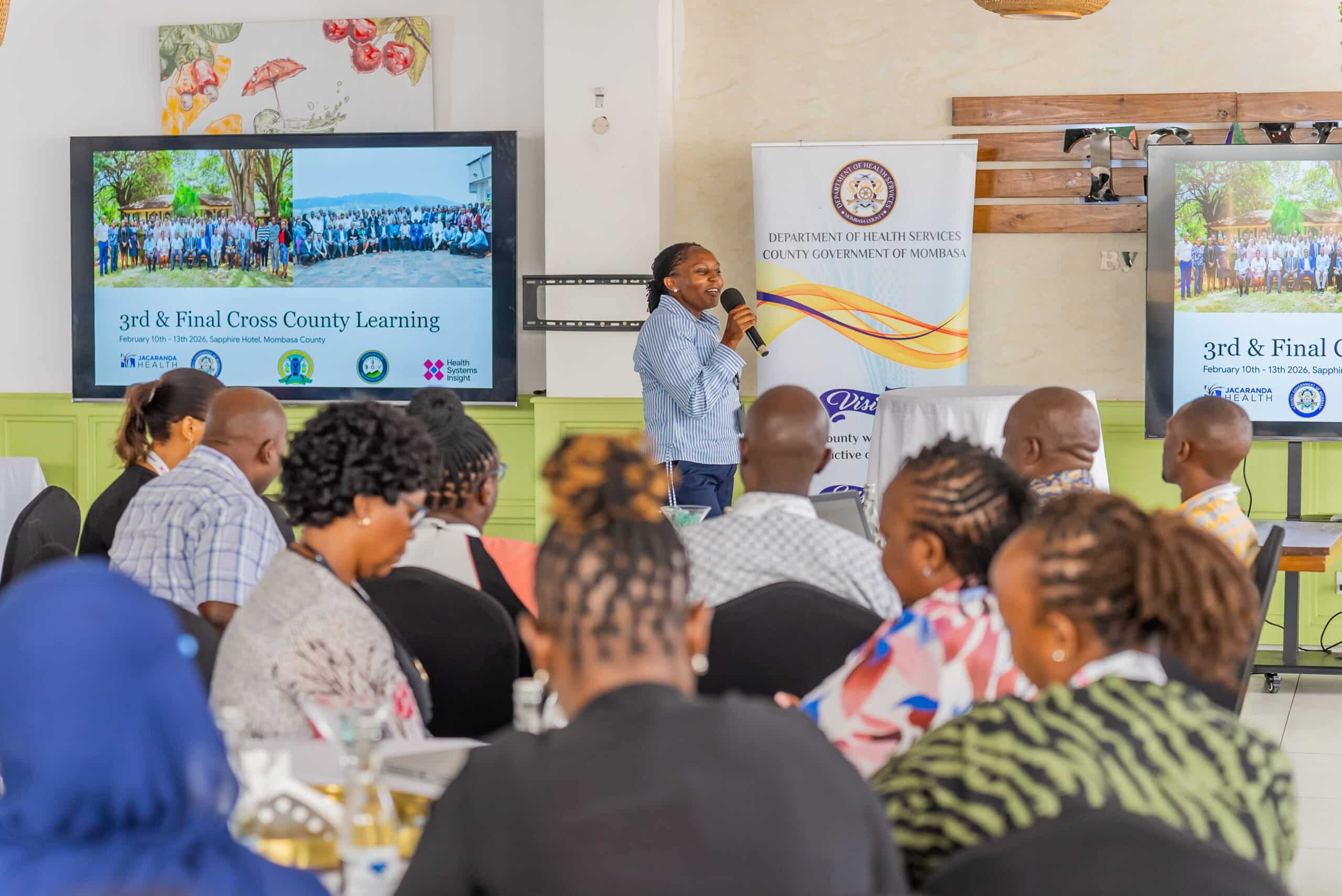
Counties have learned from one another throughout the referral strengthening process. Practical solutions have been shared and adapted across counties, including referral documentation tools, emergency care approaches, and data-driven quality improvement processes. For example, Kisii adapted Makueni’s referral forms, demonstrating how cross-county learning can turn a locally developed solution into a broader system improvement. Shared efforts to strengthen referral surveillance and response have also helped counties improve how emergencies are identified, documented, coordinated, and reviewed.
Results from a more coordinated referral system
Sharing and adapting what works, the counties are moving away from fragmented referral arrangements and collectively building a more reliable approach to maternal and newborn emergencies, one grounded in early recognition, coordinated action, prepared facilities, and continuous use of data to improve care.
The impact of these investments is particularly visible in Mombasa.
- Faster emergency response: Ambulance response time fell from one hour to 20 minutes, while patient handover time was also reduced from one hour to 20 minutes.
- Shorter referral journeys: The total referral journey decreased from approximately four hours to one and a half hours, helping patients reach appropriate care more quickly.
- High-volume coordination: Between the launch of the centralised dispatch centre and 18 June 2026, the centre handled 1,444 emergency calls, including 890 facility referrals, of which 815 involved maternal and newborn emergencies.
- Improving maternal outcomes: Maternal deaths declined from 31 reported cases from July to December 2025 to 19 cases from between January and June 2026, alongside improvements in referral coordination and emergency preparedness.